
San Mateo Dumpster Safety Guide & Standards
San Mateo County Dumpsters provides essential safety guidelines for dumpster rentals in Downtown San Mateo, Baywood Knolls, and Aragon. Our protocols ensure property protection and OSHA compliance, tailored to the local urban environment. Trust our expertise for safe, reliable service in your community.
Dumpster Safety Standards We Follow on San Mateo Jobs
Site Readiness Checklist
-
I keep the dumpster set on solid, level ground before the first bag goes in, because San Mateo’s newer post-2000 lots and tight driveways don’t forgive a crooked load.
-
I protect the surface under the container with driveway protection boards when we’re working near homes in Baywood Knolls, Aragon, or South Shoreview.
-
I keep the drop zone clear around the container so crews don’t trip while hauling framing, drywall, or demo debris to the bin.
-
I watch the weather the same way I watch the load, because Bay Area rain turns loose debris slick and heavy fast.
-
I sort out prohibited items before pickup so nobody gets stuck with a surprise during a cleanup near Central Park or a residential block.
-
I plan the rental size around the job, since overfilling a bin creates mess, delays, and extra handling on-site.

OSHA Compliant
Meets strict safety standards.
EPA Regulations
Follows environmental protection guidelines.
Local Approved
San Mateo County permitted.
Dumpster Safety Guide & Standards
- 24-Hour
- Emergency Support
- 15-Mile
- Service Radius
- 10,000+
- Daily Rentals
Safety standards we use on every dumpster drop in San Mateo
We’ve spent years watching San Mateo jobs get delayed by bad placement, overloaded containers, and material that never should’ve gone in the box. Our approach is simple: set the dumpster where the crew can work safely, load it with the right weight and debris mix, and keep prohibited items out from the start. That matters in newer TOD-style buildings, residential streets, and rainy Bay Area conditions alike. We handle the mess so you can focus on building.
San Mateo County Dumpsters follows the safety habits we trust on real jobsites: careful placement, clean loading, and strict waste handling standards.
-
We protect access and footing first
Around San Mateo’s tighter streets and newer post-2000 lots, we set dumpsters where trucks can load without blocking driveways, walk paths, or sightlines. That matters in places like Aragon and South Shoreview, where families, deliveries, and neighbors keep moving through the same narrow space. We also watch for slope, soft soil, and curb edges so the container sits level and the crew stays stable while loading.
Real World ExampleOn a wet morning near Downtown San Mateo, we laid down boards, checked the lane, and shifted the box a few feet so the driveway stayed usable.
-
We keep weight inside the container’s limits
Overloaded debris turns a routine haul into a safety problem fast. Heavy material like concrete, dirt, tile, and roofing behaves differently than mixed remodel trash, so we sort the load plan before the container gets filled. That’s how we avoid shifting during pickup and keep the truck, the container, and the jobsite safer for everyone nearby. Our crew watches the top edge and the load pattern, not just the volume.
Real World ExampleA remodel load that looked half full turned dangerous once drywall, tile, and broken mortar piled at one end. We re-stacked it before it got picked up.
-
We separate banned items before they become a hazard
Paints, solvents, batteries, tires, and other prohibited materials don’t belong mixed into a standard debris load. We’ve seen what happens when those items get hidden under trash: delays, extra handling, and added risk for the hauler and the jobsite. Our approach stays simple — identify the material early, keep it out of the box, and use the right disposal path for the right waste stream. That’s basic safety and basic respect for the crew.
Real World ExampleDuring a garage cleanout, we pulled out old cans of stain and a swollen battery pack before anything went into the dumpster.
-
We plan for weather, especially Bay Area rain
San Mateo rain changes everything underfoot. Wet cardboard collapses, mud tracks onto walkways, and slick metal edges make loading slower and riskier. We cover, stage, and load with that in mind, because a dry plan fails the first time the weather turns. Our crew also keeps an eye on drainage so runoff doesn’t pool around the container or wash debris into the street. That’s the kind of detail that keeps a job moving cleanly.
Real World ExampleAfter an afternoon shower near CuriOdyssey, we covered the load, moved loose material under the tarp, and kept the site from turning into a muddy mess.
Dumpster Safety Guide & Standards — Part 2
Learn OSHA and EPA regulations for San Mateo.
Dumpster Safety Standards We Use on San Mateo Jobs
I’ve watched a lot of good projects slow down because the dumpster area got sloppy. On San Mateo jobs, we set the bin where the crew can load it safely, keep the path open, and stack waste so nothing shifts when the truck comes in. That matters even more near Downtown San Mateo and around Bridgepointe Shopping Center, where traffic and tight access leave no room for mistakes. We also check for prohibited items before the first lift, and we keep our crew honest about weight so nobody ends up with a surprise at pickup. If you’re unsure about a material, our prohibited items list and overage fee tips make it easier to stay on track. That’s how we handle the mess so you can focus on building.
| Safety Area | What We Watch | Why It Matters |
|---|---|---|
| Load placement | Heavy debris goes in first, with even stacking | Keeps the dumpster stable during pickup |
| Site access | We leave clear walk paths and loading space | Helps crews move safely in tight areas |
| Material checks | We screen for prohibited items before disposal | Prevents delays and rejected loads |
| Weather prep | We stay alert during rain and wet conditions | Reduces slips and keeps the job moving |
Safety Checklist
-
We keep the loading area clear so crews don’t trip over loose boards, rebar, or broken concrete.
-
We sort heavy debris first and load it low, because that helps the dumpster ride steadier on San Mateo streets.
-
We keep an eye on weather, since Bay Area rain turns a clean jobsite into a slick one fast.
-
We separate prohibited items before pickup and use our guide for anything that looks questionable.
-
We protect driveways and pavement where the bin sits, especially on tighter residential spots in Baywood Knolls and Aragon.
Dumpster Safety Tips from 15 Years in San Mateo
After hauling 8,000+ loads through downtown and the Aragon hills, here's what actually prevents accidents (and angry neighbors).
Weight Distribution Matters
We've seen too many dumpsters tip because someone piled everything on one side. Load heavy debris low and center, lighter materials on top. Our crew checks balance before we haul—saves you from costly fines for road spills.
Keep It Under the Line
That fill line isn't a suggestion—it's there because overfilled dumpsters spill when our trucks hit bumps on Hillsdale Blvd. We'll refuse unsafe loads, but better yet: book a larger dumpster if your project's big.

Site Safety First
Protecting your property and crew.
Watch for Overhead Hazards
San Mateo's coastal winds can turn loose plywood into projectiles. We always tarp loads, but you should break down large materials. Pro tip: our walk-in dumpsters make stacking safer than tossing over the sides.
Know Your Banned Items
That old fridge? It'll leak Freon and get us both fined. We keep updated lists handy, but when in doubt, ask. Saw a customer nearly torch their rental last summer with lithium batteries—not worth the risk.
Need Expert Advice?
Speak directly with our safety officers.
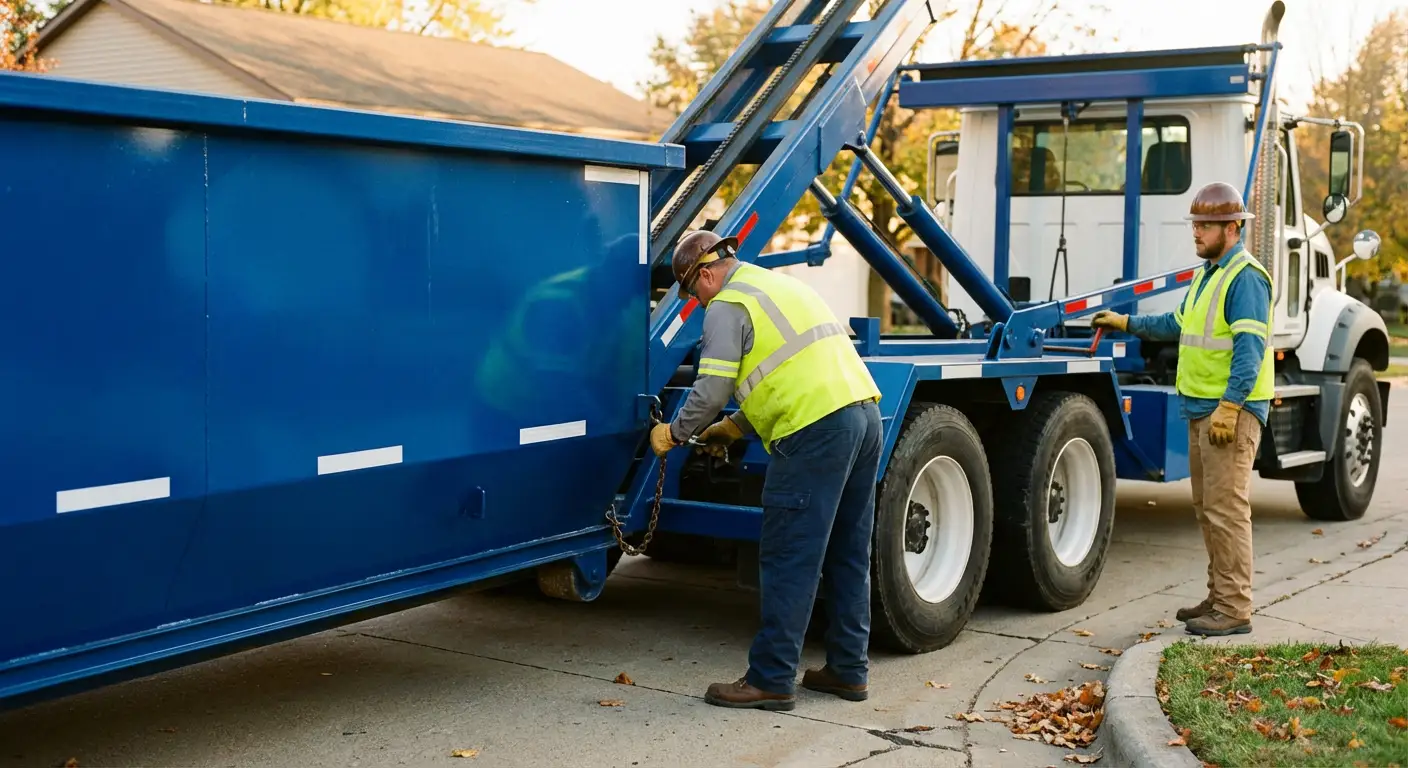
Safe Dumpster Rental Practices for San Mateo Projects
Professional waste management solutions ensuring safety, compliance, and efficiency for residential and commercial property cleanup initiatives in San Mateo County.
OSHA-aligned safety protocols protect workers and property during waste disposal